Finding comfort in remembrance and reflection
Memorial days play a significant role in the grief and healing process, providing a dedicated space and time for reflection, remembrance, and honouring those who are no longer with us.
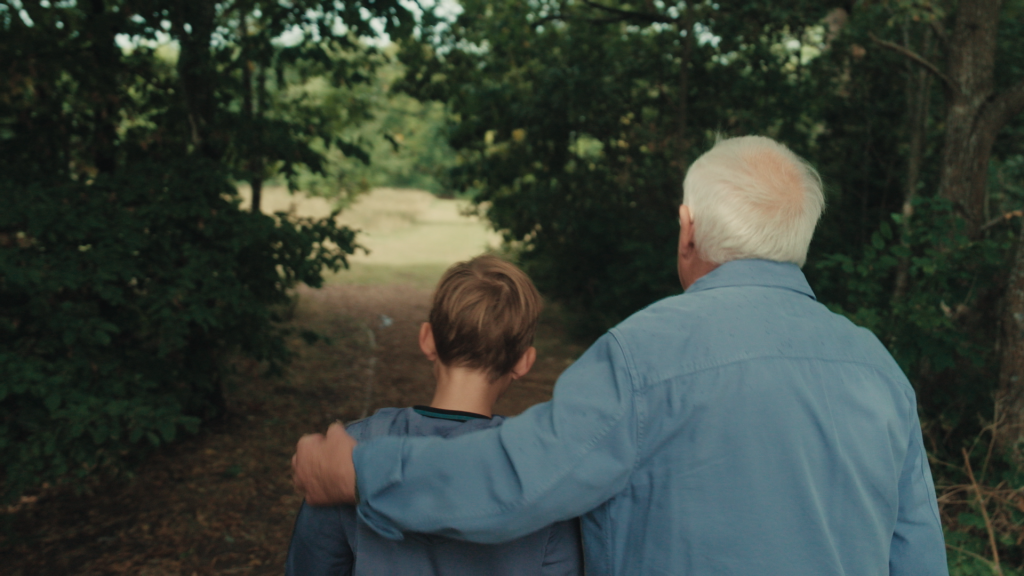
While each culture and community may have its unique memorial traditions, the purpose remains universal – to pay tribute to those who have died, continuing bonds and therefore acknowledging the impact they had on us, and find hope and healing in shared memories.
Memorial days:
Memorial days serve as collective opportunities for communities to come together and remember. These days can be rooted in religious, cultural, or national significance, offering a joint, non-judgemental space for people to share memories and their grief. Memorial traditions can also be deeply personal, and differ in cultures around the world, with each one holding a unique meaning for those who observe it. This may also change over time and be recognised in different ways.
The importance of communal remembrance:
Communal remembrance can foster a sense of support and coming together for one purpose. Shared rituals, ceremonies, and commemorations allow people to connect with others who have experienced similar experiences, creating a sense of understanding and empathy, and reducing isolation in grief.
Universal remembrance:
Days of remembrance can be local, national or global, offering opportunities to reflect on lives lost, honour those affected by significant events and remember the past. They remind us of the importance of compassion, empathy and understanding, while recognising stories of resilience and courage. Above all, remembrance encourages us to learn from history and work towards a more inclusive, respectful and compassionate world.
People can create meaningful, personal rituals to remember special people to them. This could involve lighting a candle, visiting a special place, or engaging in activities that were meaningful to them, together. This helps continue the bonds they had and maintain a connection with their memories.
Diverse grief experiences:
Memorial days also provide a platform for people to honour diverse expressions of their own grief. Different memorial days around the globe may be celebrated or marked in non-traditional ways, for example by a celebratory festival, an art exhibition, through music, writing, or simply spending quiet moments in reflection. It’s important to remember that grief is unique, and every individual has the right to experience their grief in their own way.
Supporting others:
Memorial days remind us of the importance of remembrance and the continuing bonds we share with those who have died. They offer an opportunity to honour the past, reflect on the lives of others and build compassionate, inclusive communities rooted in empathy and respect for everyone’s faiths, beliefs and traditions.