Helping young children understand the death of a grandparent
The death of a grandparent is often a young child’s first experience of death. It can bring sadness, confusion, and questions that feel big or unsettling. Children may move quickly between wanting comfort and asking direct questions. For adults, especially if you are grieving too — this can be hard to manage.
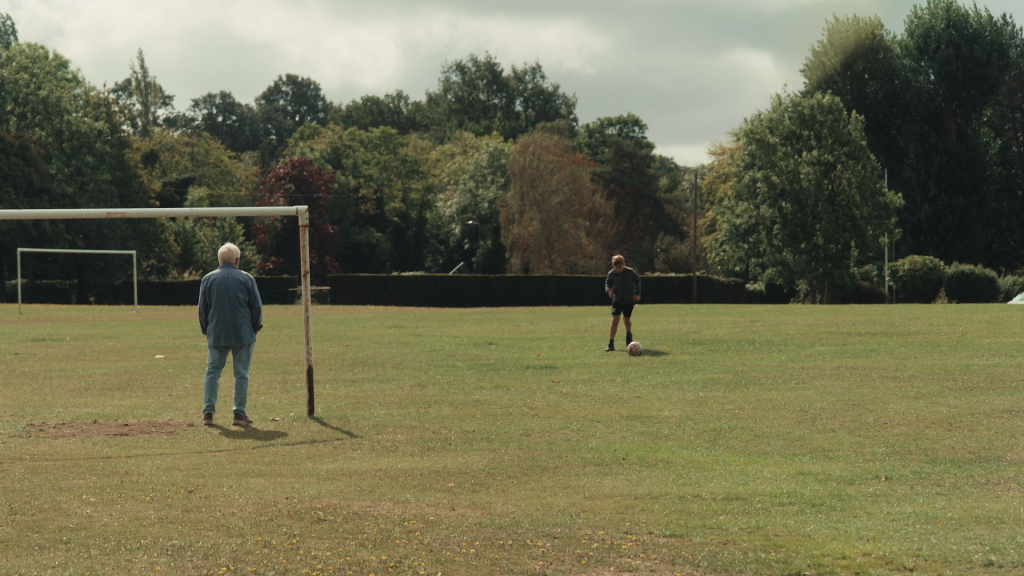
Children respond in different ways, families hold different beliefs, and relationships with grandparents vary, so it can help to approach these conversations with flexibility and care.
Helping Children Understand:
- Use clear, simple language: avoid phrases like “lost” or “gone to sleep”, which can cause confusion or fears about separation and sleep.
- Be thoughtful about explanations: saying someone died because they were “old” or “very ill” may make children worry about others they see as old or unwell.
- Explain what will happen next: describe the funeral or memorial and how your family will remember their grandparent.
- Offer ways to be involved: prepare them that people may cry, talk, or laugh as they share memories.
- Avoid minimising feelings: comments like “they lived a good life” can make children feel they shouldn’t be sad.
- Acknowledge your own emotions: let them know adults may feel upset or irritable, and that this isn’t caused by them.
- Welcome questions: it’s fine to say you don’t have all the answers.
- Expect varied responses: some children show distress, others seem unaffected at first.
Grief continues over time. Children often return to normal routines quickly but still benefit from gentle opportunities to talk or remember together.
- Talk about the person to show it’s okay to mention them.
- Support their ways of remembering, such as photos or keepsakes.
- Prepare for significant moments, like birthdays or family gatherings, where the absence may feel stronger.
For support, contact The Children’s Grief Charity on 0808 802 0111 Monday – Friday, 9am–5pm or email us.